
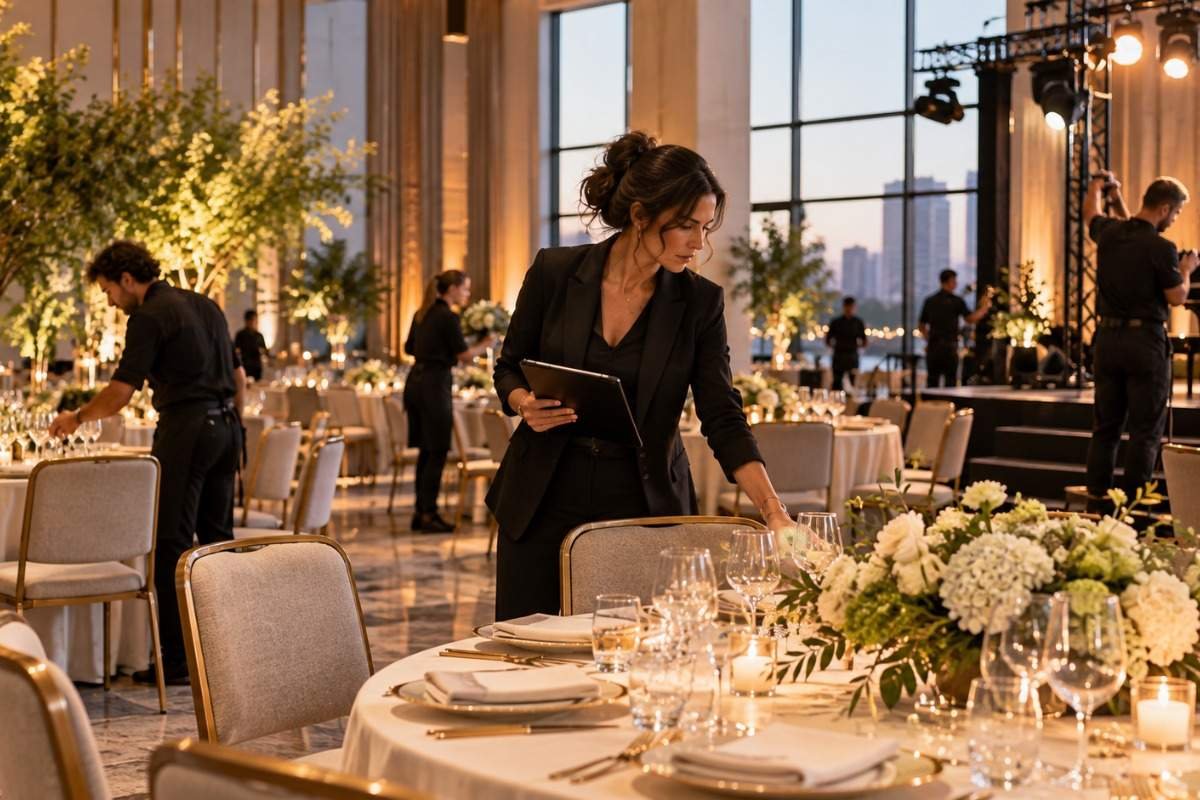
A successful event may appear effortless to guests, but behind that experience is careful planning, detailed coordination, and continuous management. From corporate gatherings and product launches to networking events and professional celebrations, every event involves multiple elements that must work together at the right time.
Professional event management brings structure to these elements, helping transform an initial concept into an organized and memorable experience.
1. A Clear Event Purpose
Every event should begin with a clearly defined purpose.
The objective may be to celebrate an achievement, introduce a product, connect professionals, strengthen relationships, educate an audience, or create a particular experience.
Understanding this purpose influences important decisions about the venue, format, schedule, atmosphere, activities, and overall direction of the event.
2. Detailed Planning
Once the purpose is established, the event needs a practical plan.
Important requirements such as the date, venue, expected attendance, schedule, suppliers, equipment, guest arrangements, and event activities should be considered in advance.
Detailed preparation creates a roadmap for everyone involved and reduces the likelihood of important elements being overlooked.
3. Reliable Vendor Coordination
Events commonly depend on several external parties.
Venues, decorators, caterers, photographers, technical teams, entertainment providers, and other suppliers may each contribute to the final experience.
Coordinating these parties requires clear communication regarding responsibilities, schedules, access requirements, setup times, and expectations.
At High Sky International, our Events Organizing & Managing service focuses on keeping these different elements connected and properly coordinated throughout the event process.
4. An Organized Event Schedule
Timing has a major influence on how smoothly an event operates.
Setup, guest arrivals, presentations, activities, entertainment, catering, and closing arrangements may all need to happen within specific timeframes.
A structured schedule helps the event team understand what should happen next and allows different activities to transition more naturally.
5. Attention to Guest Experience
Successful event management is not only about completing a checklist. The experience of the guests also matters.
Registration, seating, accessibility, atmosphere, communication, hospitality, and the overall flow of activities can influence how attendees perceive an event.
Considering these details from the guest’s perspective can help create a more welcoming and enjoyable experience.
6. Effective On-Site Management
Even with detailed preparation, situations can change on the event day.
A supplier may be delayed, schedules may shift, or an unexpected requirement may arise. On-site management helps coordinate these situations while keeping the wider event moving according to plan.
Having someone overseeing activities also allows hosts to focus more on their guests instead of managing every operational detail themselves.
Turning Planning Into Experience
Professionally managed events bring together purpose, preparation, coordination, timing, suppliers, and guest experience within one organized process.
When these elements are managed effectively, the work happening behind the scenes allows the event itself to feel smooth and natural.
Through Events Organizing & Managing, High Sky International supports clients from preparation through event-day coordination, helping transform concepts into organized, professionally managed, and memorable experiences.