
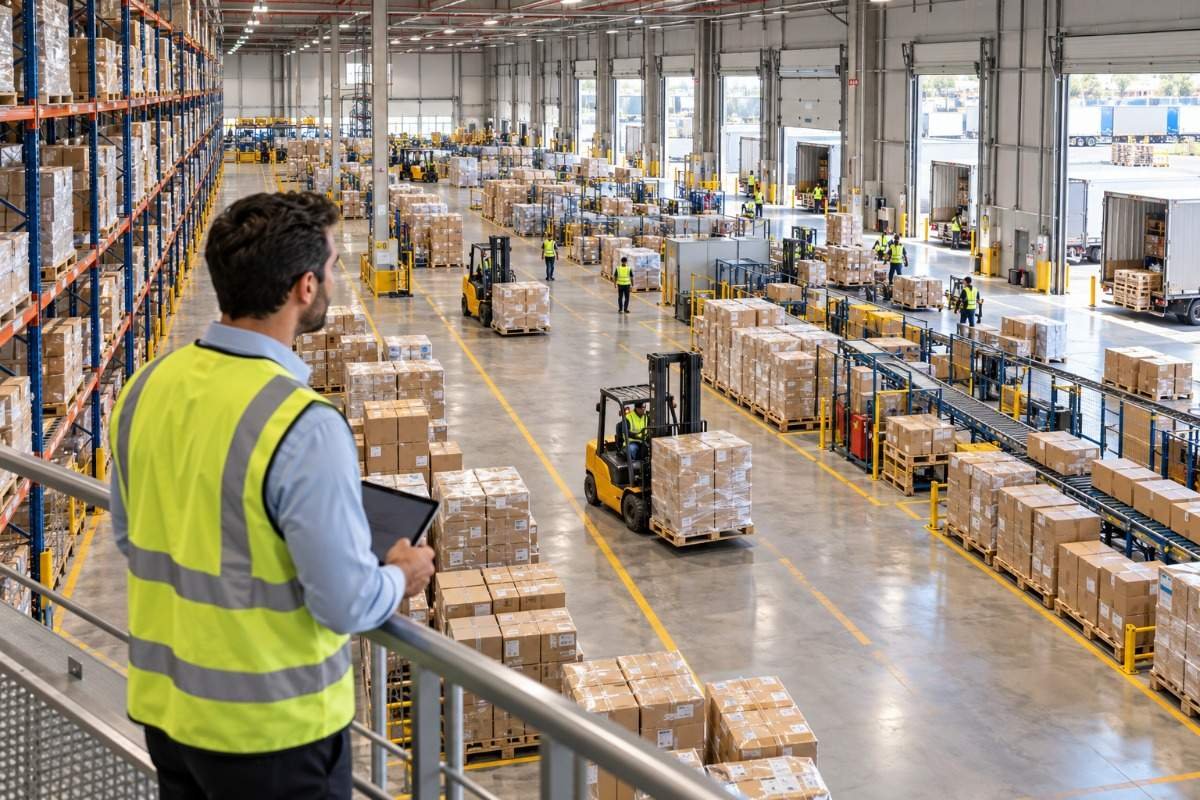
Logistics plays an important role in keeping business operations running smoothly. Products, materials, information, and resources often need to move between suppliers, warehouses, businesses, and customers within specific timeframes. When these activities are poorly coordinated, businesses may experience delays, unnecessary costs, communication problems, and operational disruptions.
Better logistics planning can create a more organized environment where resources move efficiently and teams have greater visibility over everyday operations.
1. Creating Clearer Operational Workflows
Efficient logistics begins with understanding how different activities connect.
Businesses should have clarity around how products are received, stored, processed, moved, and delivered. When these processes are properly structured, employees and other involved parties can better understand their responsibilities.
Clear workflows can also make it easier to identify unnecessary steps that may be slowing down operations.
2. Improving Coordination Between Parties
Logistics frequently involves multiple participants, including suppliers, warehouse teams, transportation providers, customers, and internal departments.
Poor communication between these parties can create delays or misunderstandings. Structured logistics planning establishes clearer communication channels and helps ensure that relevant information reaches the appropriate people when required.
At High Sky International, our Logistics Consultancy service focuses on strengthening this coordination and helping businesses develop more organized logistics processes.
3. Using Resources More Efficiently
Resources such as transportation, storage space, employees, equipment, and time all contribute to logistics operations.
Better planning can help businesses determine where resources are required and how they should be allocated. This can reduce unnecessary movements, duplicated activities, and inefficient use of operational capacity.
The objective is not simply to reduce resources but to use available resources more effectively.
4. Identifying Operational Bottlenecks
A bottleneck occurs when one part of a process slows down other activities.
For example, delays in receiving products could affect storage, order preparation, transportation, and ultimately customer delivery.
Reviewing logistics processes can help businesses identify where these challenges frequently occur. Once identified, appropriate improvements can be considered to create a smoother operational flow.
5. Preparing for Changing Business Requirements
Logistics requirements rarely remain unchanged.
As businesses grow, they may handle more products, serve additional customers, enter new markets, or work with more suppliers. Processes that were suitable for smaller operations may become inefficient as activity increases.
Regular logistics planning allows businesses to review whether their existing systems continue to meet their changing operational needs.
6. Supporting Better Customer Experiences
Logistics can directly influence customer satisfaction.
Customers generally expect orders and requirements to be handled accurately and within communicated timelines. Organized logistics can help businesses maintain greater control over fulfilment and delivery activities, supporting a more reliable customer experience.
Building More Efficient Operations
Effective logistics is about creating coordination across the entire movement of resources rather than improving one isolated activity.
Businesses that regularly evaluate their logistics processes can identify inefficiencies, strengthen communication, improve resource utilization, and prepare their operations for future requirements.
Through Logistics Consultancy, High Sky International provides practical guidance to help businesses review their logistics activities and develop more structured, coordinated, and efficient operational processes.